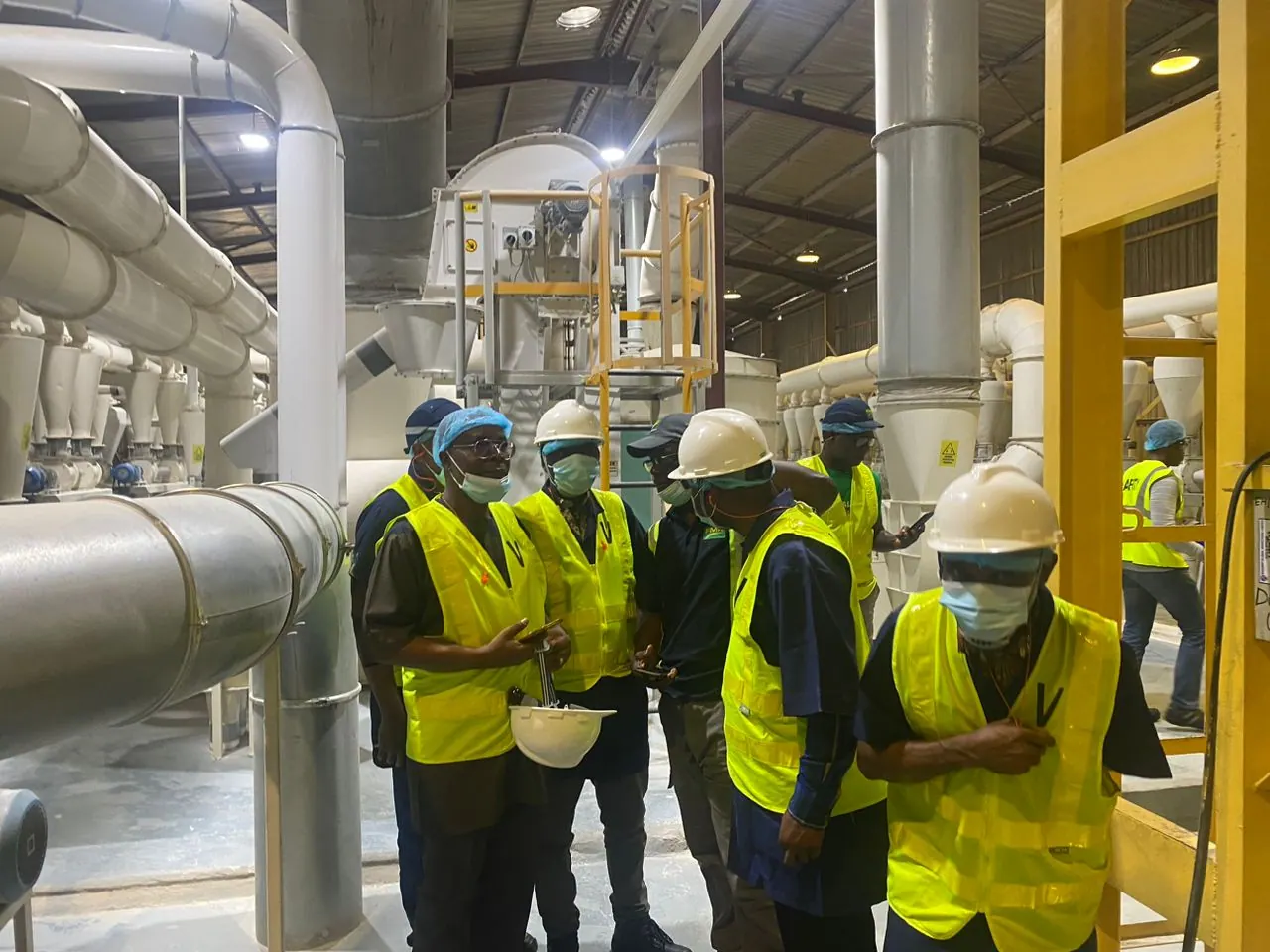
This comprehensive 3-day training course on Rigging and Lifting Techniques for Industrial Applications is designed to equip participants with the technical knowledge and practical skills required to safely and efficiently perform rigging and lifting operations in industrial settings. With an emphasis on real-world scenarios, the course integrates theoretical knowledge with hands-on exercises to ensure participants can confidently apply their skills in the field.
- Course Introduction
- Fundamentals of rigging and lifting operations.
- Safe practices and compliance with industrial standards.
- Proper selection and use of rigging equipment, including slings, shackles, and chains.
- Load weight estimation and center-of-gravity determination.
- Hands-on lifting exercises using cranes, hoists, and rigging equipment.
Day 1: Fundamentals and Safety
- Introduction to rigging and lifting operations.
- Safety principles and industry regulations (e.g., OSHA, ASME).
- Understanding rigging tools: types, inspection, and maintenance.
- Hands-on exercise: Inspecting slings, shackles, and hooks for damage.
Day 2: Lifting Techniques and Risk Management
- Load calculations: Estimating weight and determining the center of gravity.
- Safe rigging practices and hitch configurations (vertical, choker, basket hitches).
- Risk assessment: Identifying hazards and implementing safety controls.
- Practical session: Setting up and lifting loads with cranes and hoists.
Day 3: Advanced Operations and Case Studies
- Complex lifting scenarios: Tandem lifts, tight-space lifts, and angled lifts.
- Practical exercises: Managing dynamic loads and dealing with environmental challenges.
- Case studies: Real-world examples of successful and failed rigging operations.
- Final assessment: Participants execute a supervised lifting operation to demonstrate skills learned.
- Course Outcomes
Upon completing this training, participants will
- Possess a comprehensive understanding of rigging and lifting techniques.
- Be proficient in selecting, inspecting, and maintaining rigging tools.
- Have the ability to calculate loads, determine balance points, and execute safe lifts.
- Be confident in conducting risk assessments and implementing safety measures.
- Enhance their professional capabilities, contributing to safer and more efficient operations within their organizations.
Conclusion
This Rigging and Lifting Techniques for Industrial Applications training provides the perfect blend of theoretical knowledge and hands-on practice, ensuring participants leave with practical, job-ready skills. By investing in this course, professionals can significantly enhance their expertise, boost workplace safety, and reduce operational risks.
🚀 Don’t miss this opportunity to elevate your skills and advance your career in industrial operations!
🔗 [Enroll Today]