
Civil and structural
16–18 Mar 2027, Lagos
Fire Safety Systems Design and Management
A three-day practical course from the CITED and NSE 2027 Practical Skills for Industrial Excellence calendar.
₦300,000
This 3-day training program equips participants with the knowledge and skills necessary to design, construct, and maintain low-cost water supply systems in…
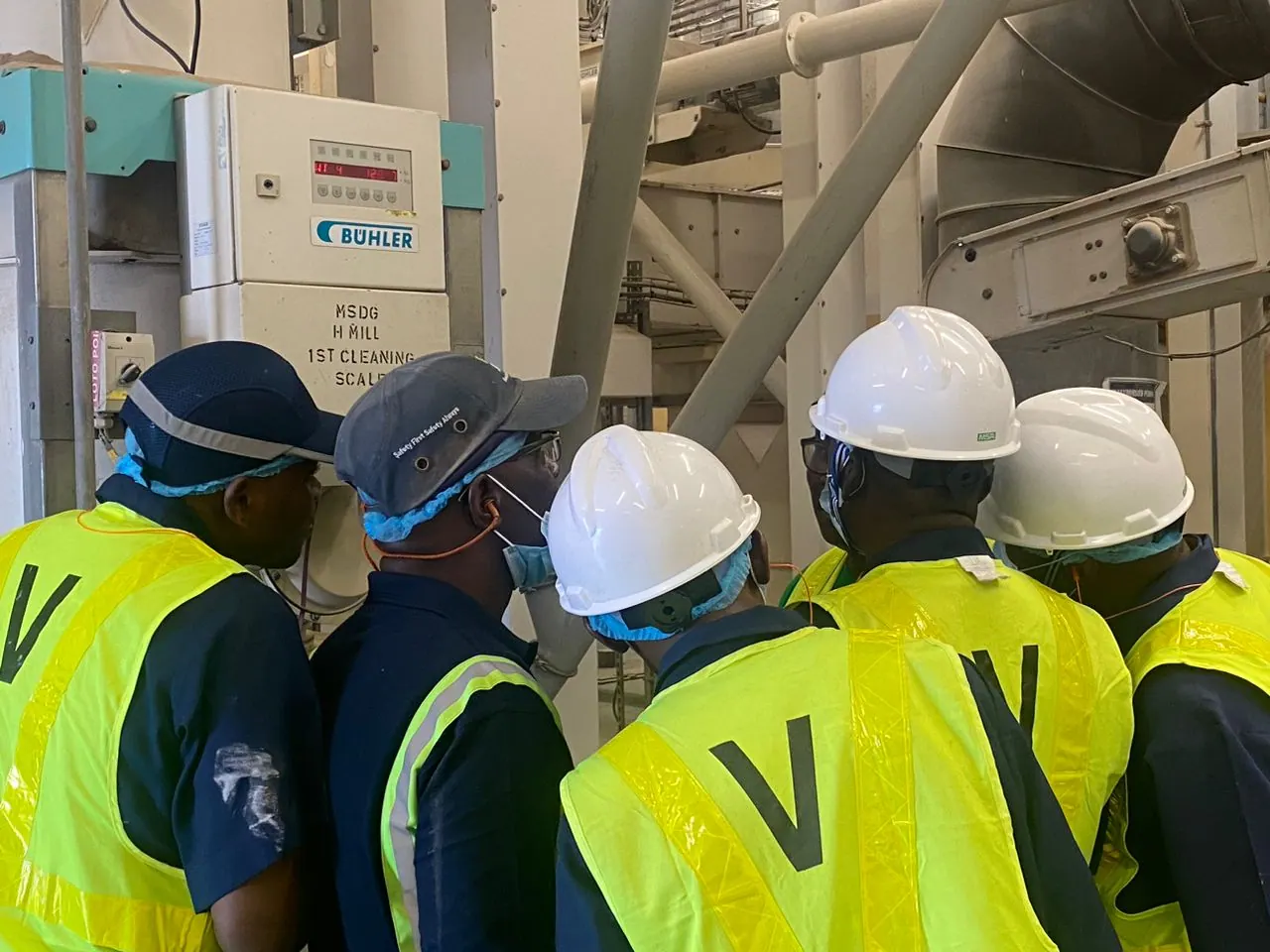
This 3-day training program equips participants with the knowledge and skills necessary to design, construct, and maintain low-cost water supply systems in resource-constrained settings. The training will cover various approaches, materials, and techniques to ensure sustainable access to clean water for communities in need.
The training concludes with a review of key learnings and a Q&A session. Participants receive training materials and resources to support their future endeavors in designing, constructing, and maintaining low-cost water supply systems in their communities. They are encouraged to apply their acquired knowledge and skills to contribute to improved access to clean water for all.
A three-day practical course from the CITED and NSE 2027 Practical Skills for Industrial Excellence calendar.
an introduction to a variety of types of boreholes and wells, their use, design, and operation. a practical introduction to the main methods of…
Overview: This 3-day intensive training program is designed to provide a comprehensive understanding of mechanical drives and power transmission systems.