Power
Substation Operation and Maintenance
This 3-day training program provides comprehensive knowledge and practical skills for safe and efficient operation and maintenance of electrical substations.
₦270,000
The ever-growing demand for bandwidth and data speed fuels the need for a robust and reliable communications infrastructure.
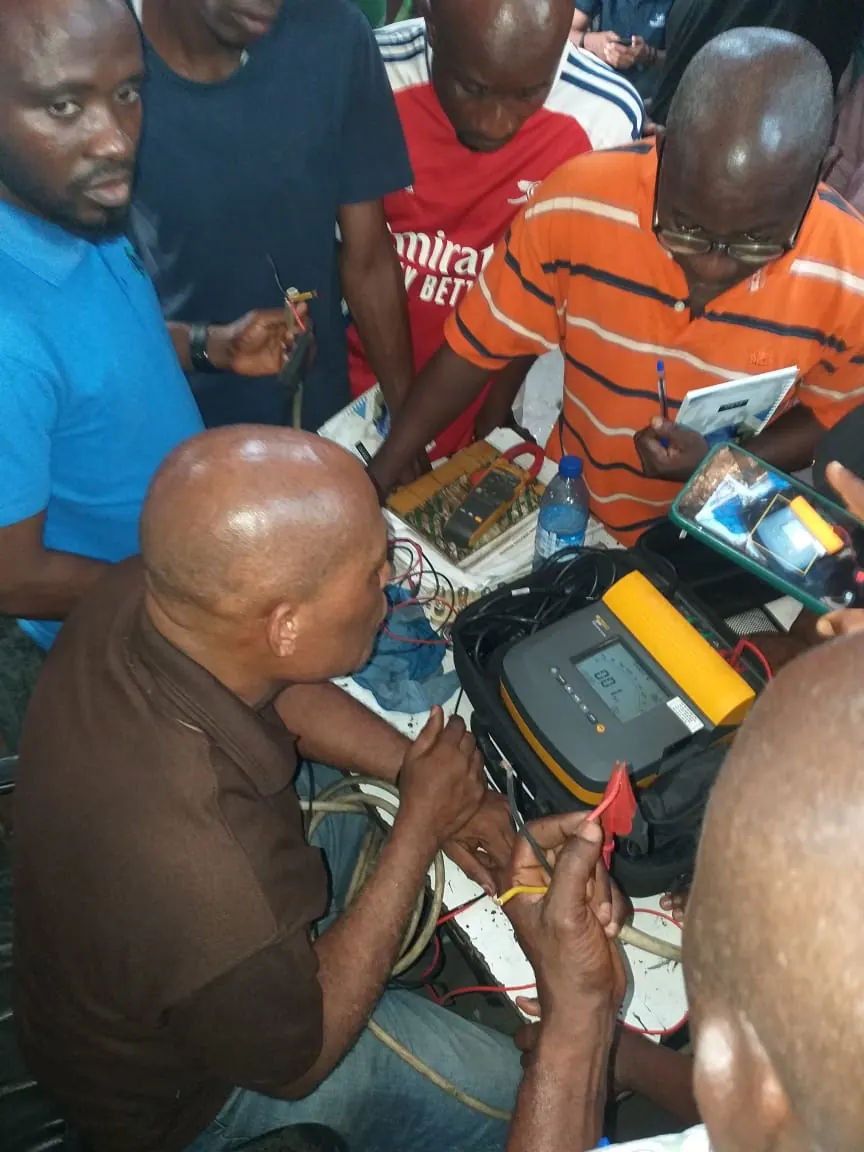
The ever-growing demand for bandwidth and data speed fuels the need for a robust and reliable communications infrastructure. Fibre optic networks, with their superior bandwidth capabilities and immunity to electromagnetic interference, have become the backbone of modern communication systems.
This 3-day intensive training program equips participants with the theoretical knowledge and practical skills necessary for the successful installation and maintenance of fibre optic networks. Whether you're a seasoned technician or embarking on a new career path, this program will empower you to confidently contribute to building and maintaining the future of communication technology.
By successfully completing this 3-day training program, participants will gain the theoretical knowledge, practical skills, and industry best practices necessary to excel in the field of fibre optic network installation and maintenance.
This 3-day training program provides comprehensive knowledge and practical skills for safe and efficient operation and maintenance of electrical substations.
In today's competitive environment, optimizing maintenance strategies is crucial for maximizing uptime, minimizing costs, and ensuring equipment reliability.
Delays, cost overruns, or quality problems can wreck your project. Keep it on course with this 3-day overview of project management.