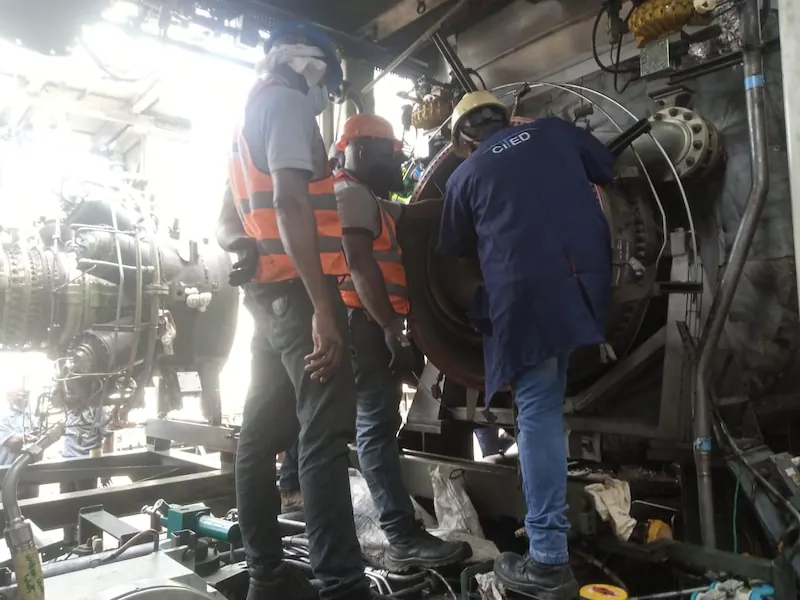
This 3-day intensive training program is designed to provide a comprehensive understanding of industrial ergonomics and human factors engineering principles. The course will delve into the practical applications of these principles to enhance worker productivity, safety, and overall well-being in various industries. Through a combination of theoretical lectures, interactive discussions, and hands-on exercises, participants will gain the knowledge and skills necessary to design and implement ergonomic solutions in the workplace.
- Ergonomic Assessment and Evaluation Techniques
- Workplace Design and Layout
- Musculoskeletal Disorders (MSDs) Prevention
- Human-Machine Interface Design
- Job Design and Work Organization
- Safety Culture and Behavior
Day 1: Introduction to Ergonomics and Workplace Assessment
- Morning Session:
- Introduction to ergonomics and human factors engineering
- The importance of ergonomics in the workplace
- Overview of musculoskeletal disorders and their causes
- Ergonomic assessment techniques (e.g., checklists, observation, interviews)
- Afternoon Session:
- Hands-on exercise: Conducting a workplace walk-through assessment
- Case study: Identifying ergonomic risk factors in a manufacturing plant
Day 2: Workplace Design and Human-Machine Interface
- Morning Session:
- Principles of workplace design and layout
- Ergonomic workstation design
- Chair selection and adjustment
- Computer workstation setup
- Afternoon Session:
- Human-machine interface design principles
- Control layout and display design
- Human factors in automation and robotics
Day 3: Job Design, Safety Culture, and Ergonomics Implementation
- Morning Session:
- Job design and work organization principles
- Job rotation, task redesign, and work-rest schedules
- Safety culture and behavior-based safety
- Ergonomics program implementation and management
- Afternoon Session:
- Hands-on exercise: Developing an ergonomic intervention plan
- Group discussion: Challenges and best practices in ergonomics implementation
Course Outcomes
By the end of this course, participants will have a solid understanding of ergonomic principles and their practical applications. They will be able to:
- Identify and assess ergonomic risk factors in the workplace.
- Design and implement effective ergonomic interventions.
- Prevent musculoskeletal disorders and other work-related injuries.
- Improve worker productivity, job satisfaction, and overall well-being.
- Develop a strong safety culture and promote safe work behaviors.
Conclusion
This intensive 3-day training program offers a valuable opportunity to gain practical knowledge and skills in industrial ergonomics and human factors engineering. By attending this course, you will be well-equipped to create safer, healthier, and more productive workplaces.