
Electrical
Refrigeration and Air Conditioning
In this seminar, students are provided a broad introduction to Air Conditioning and Refrigeration - a great training overview for apprentice technicians, multi-craft…
₦200,000
The continuity of the electrical power supply is very important to consumers, especially in the industrial sector.
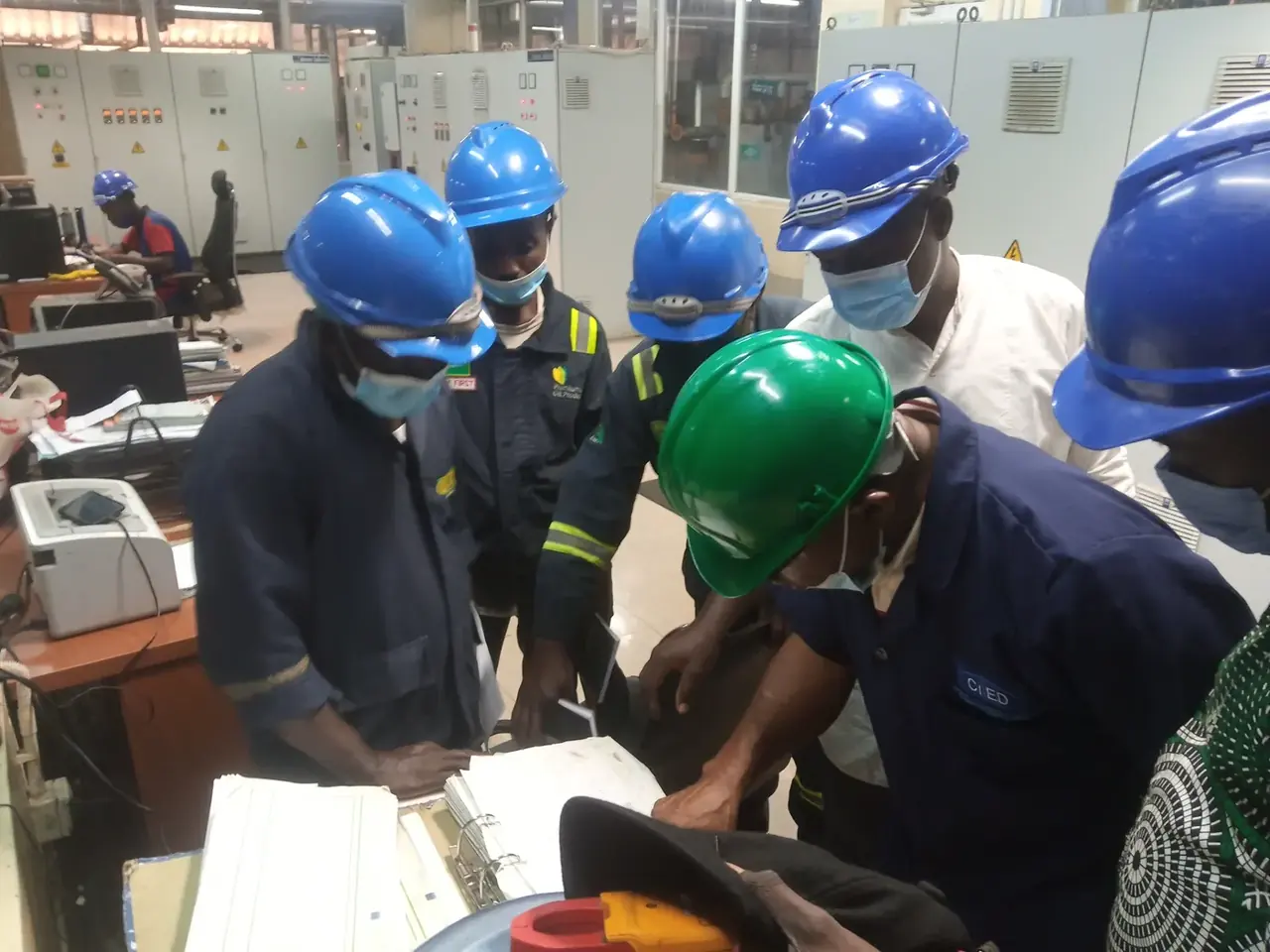
The continuity of the electrical power supply is very important to consumers, especially in the industrial sector. Protection relays are used in power systems to maximise continuity of supply and are found in both small and large power systems from generation, through transmission, distribution, and utilisation of the power. A good understanding of their application, operation, and maintenance are critical for operating and maintenance personnel.
The strengths and weaknesses of the latest microprocessor (or numerical) relays as compared to the older electromechanical relays will be examined. You will also gain a solid appreciation of how the modern relay communicates not only to the central SCADA system but also between themselves, resulting in a truly multifunctional system that includes protection, control, and monitoring. Finally, you will gain a solid understanding of issues of reliability and security for the modern relay.
Evaluation of short circuit currents
Fault calculations in simple circuits
Protection using fuses
Protective relay/release and circuit breaker combination
Relays and their Development
Comparison of electromechanical/static and numerical relays – Key features: Flexibility/reliability/communications/SCADA interface – Cost – Integrated protection and control
Protection Coordination
Time and current grading
Application of time and current grading
Grading using IDMTL characteristics
Typical Block Diagram of Numerical Protection Relay
Typical block diagram
Extension of capabilities of relays in numerical design
Configuring substation automation using IEDs
Types of Numerical Protection Systems and Principles
Functional protection relays
Equipment protection systems with multiple functions
In this seminar, students are provided a broad introduction to Air Conditioning and Refrigeration - a great training overview for apprentice technicians, multi-craft…
Few topics generate as much controversy as that of grounding and associated topics of surge protection, shielding and lightning protection of electrical and electronics…
A three-day practical course from the CITED and NSE 2027 Practical Skills for Industrial Excellence calendar.