
Instrumentation and control
Robotics and Automation in Manufacturing
Comprehensive Synopsis for a 3-Day Practical and Hands-On Training Course: Advanced Materials in Mechanical Engineering
₦270,000
The workshop focuses on modern maintenance methods and techniques, with particular emphasis on selecting the right maintenance work and undertaking it at the right time…
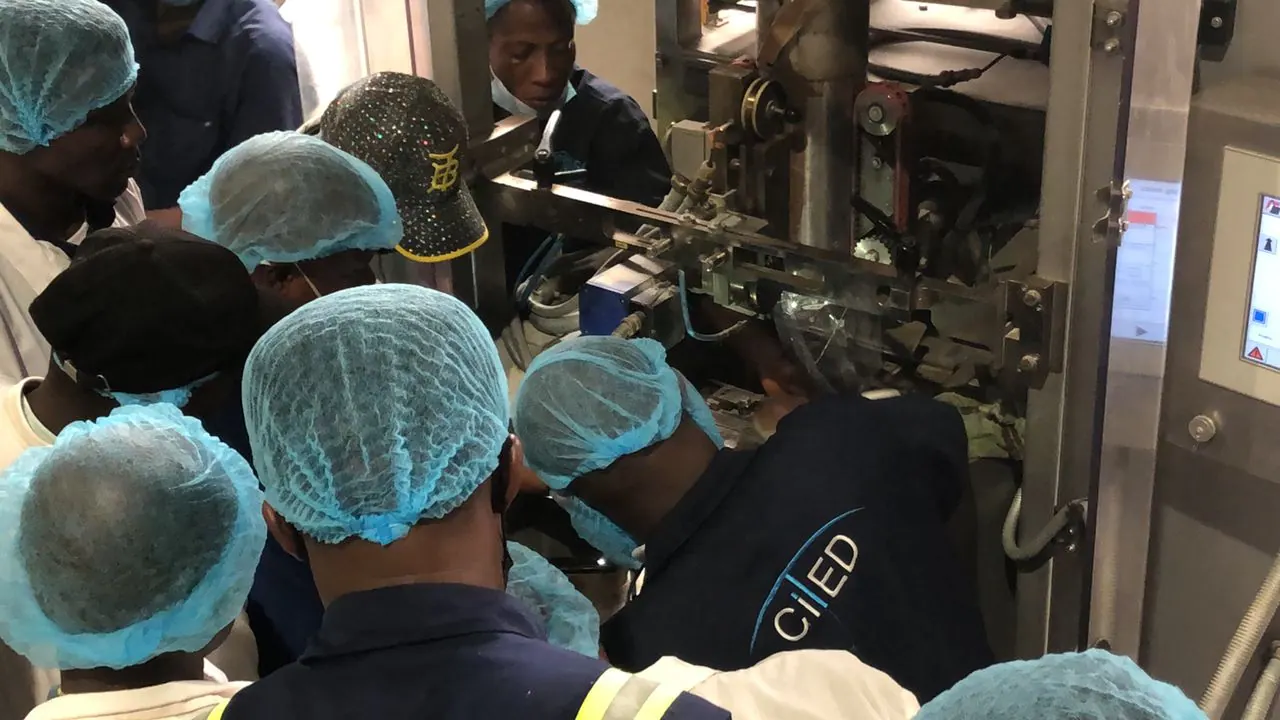
The workshop focuses on modern maintenance methods and techniques, with particular emphasis on selecting the right maintenance work and undertaking it at the right time, having analysed and understood actual and potential failures and how to deal with them. Experience is proving that PPM programs, when property implements, can minimise equipment and system breakdowns, resulting in a major reduction in total maintenance and operating costs.
– Understand Failure Modes, Effects, and Criticality Analysis (FMECA)
– Understand how to develop effective equipment maintenance plans
Comprehensive Synopsis for a 3-Day Practical and Hands-On Training Course: Advanced Materials in Mechanical Engineering
This course is an excellent opportunity to improve your skills in Preventive Maintenance of Heat, Ventilation, and Air Conditioning (HVAC), Electrical, and Plumbing (MEP…
This course will discuss the need for standby/emergency power generation in industries and the details of engine-based power stations.