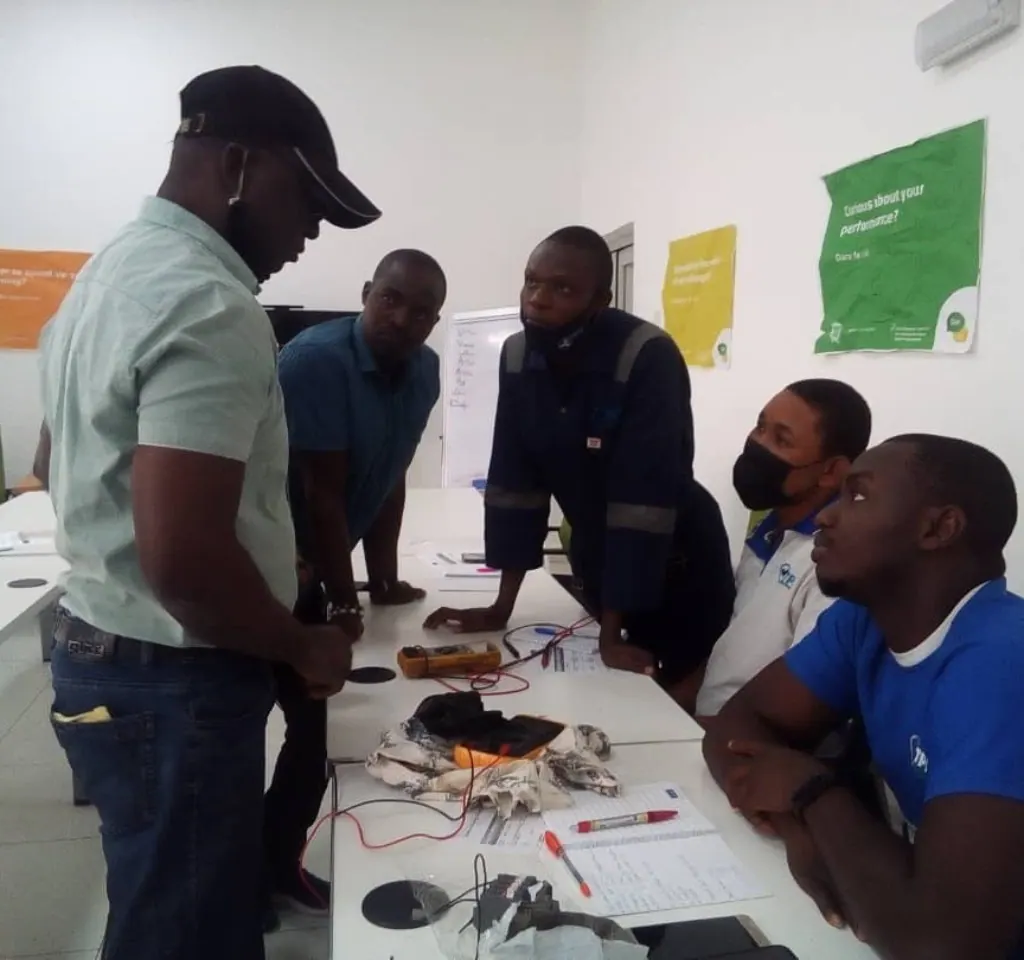
Comprehensive Synopsis for Vibration Analysis and Control in Mechanical Systems
This 3-day intensive training on Vibration Analysis and Control in Mechanical Systems is designed to equip participants with a thorough understanding of vibration behavior in mechanical systems and the strategies required to manage and control it effectively. It combines theoretical fundamentals with practical, real-world applications to address challenges such as equipment wear, noise, and inefficiency caused by unwanted vibrations.
- Fundamentals of mechanical vibration theory.
- Diagnosing vibration issues in rotating and static mechanical systems.
- Advanced vibration analysis tools and techniques.
- Implementing vibration control solutions, including isolation, damping, and system tuning.
- Case studies on real-world industrial systems.
Day 1: Fundamentals and Measurement Techniques
- Introduction to vibration theory: frequency, amplitude, and damping.
- Types of vibrations: free, forced, and resonance.
- Overview of diagnostic tools: accelerometers, velocity transducers, and laser vibrometers.
- Practical session: Vibration measurement using portable devices.
Day 2: Advanced Analysis Techniques
- Signal processing and spectral analysis using FFT (Fast Fourier Transform).
- Identifying root causes of vibration in rotating machinery and static structures.
- Data interpretation and troubleshooting strategies.
- Hands-on exercise: Spectrum analysis of real-world vibration data.
Day 3: Control Strategies and Case Studies
- Vibration control methods: damping, isolation, and balancing techniques.
- Introduction to active vibration control systems.
- Real-world case studies: Applying vibration control to industrial systems.
- Practical project: Designing a vibration control solution for a hypothetical industrial setup.
Course Outcomes
Upon completion of the training, participants will
- Have a solid understanding of vibration principles and their impact on mechanical systems.
- Be proficient in diagnosing and troubleshooting vibration issues using advanced tools.
- Gain hands-on experience in implementing vibration control strategies to improve system reliability and efficiency.
- Be equipped to lead predictive maintenance initiatives in their organizations.
- Add measurable value to their teams by reducing downtime, enhancing productivity, and prolonging equipment lifespan.
Conclusion
The Vibration Analysis and Control in Mechanical Systems training is designed to empower engineers with the knowledge and skills needed to optimize system performance and mitigate vibration-related challenges. Combining practical applications with cutting-edge tools, this training provides a unique opportunity to gain expertise that directly impacts career growth and organizational success.
🌟 Take the next step in your professional journey—enroll today and become a leader in vibration analysis and control!